
Hate begets hate. The vicious cycle once begun, has no way to end and like a building Pacific storm, destroys all trapped in its maelstrom. The original Last of Us took us on Joel’s redemption arc and showed us a bitter, broken man who learnt to feel compassion again. Last of Us 2 shows you what happens when that love is violently wrenched away from you.
This all takes places in a post-apocalyptic America with the world torn apart a few decades ago by a fungus that turns people into mushroom zombies. The first game was an epic trek across America that gave Joel and Ellie space to breathe and develop their relationship slowly and over its own course. In contrast, the second game mostly occurs over a claustrophobic 72 hours in Seattle with the only calm coming from flashbacks to the years before. Even these are tinged with sadness at what you know is going to come.
I’m not going to go into too many spoilers, but not a lot of good happens. The main conflict is between Ellie and Abby. Two young women with different styles living in different places, but the parallels are obvious. Friends and family are their rock. The characters are imperfect, seemingly incapable of the introspection needed to de-escalate the situation. But unlike a Gossip Girl episode, it feels plausible. This isn’t just spotting Nate talking to a long-lost sister you didn’t know about and ending your relationship on the spot, the rage is there for reasons you both know about and are both justified to have. There is redemption at the end, but too much has been lost and can’t come back.
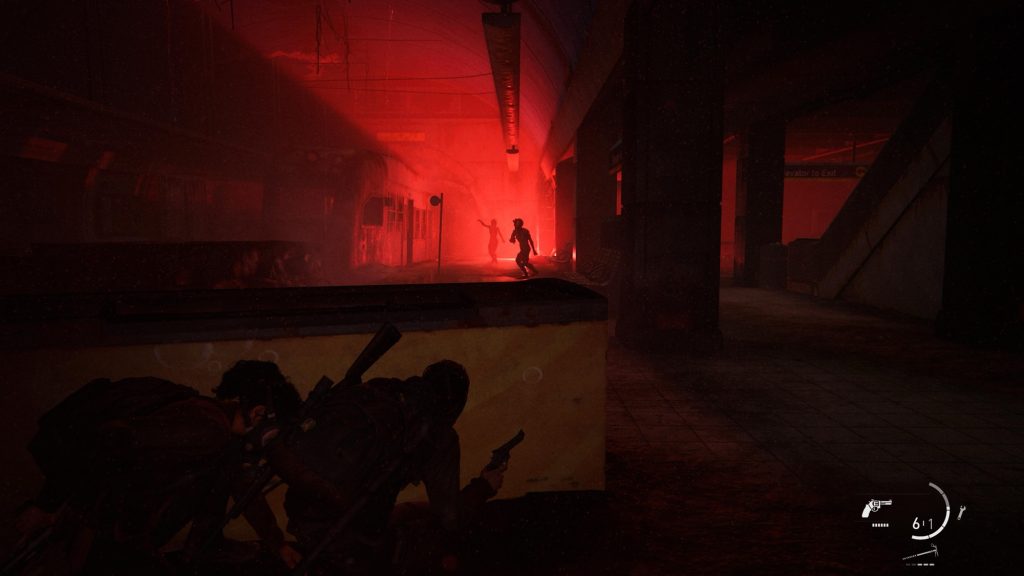
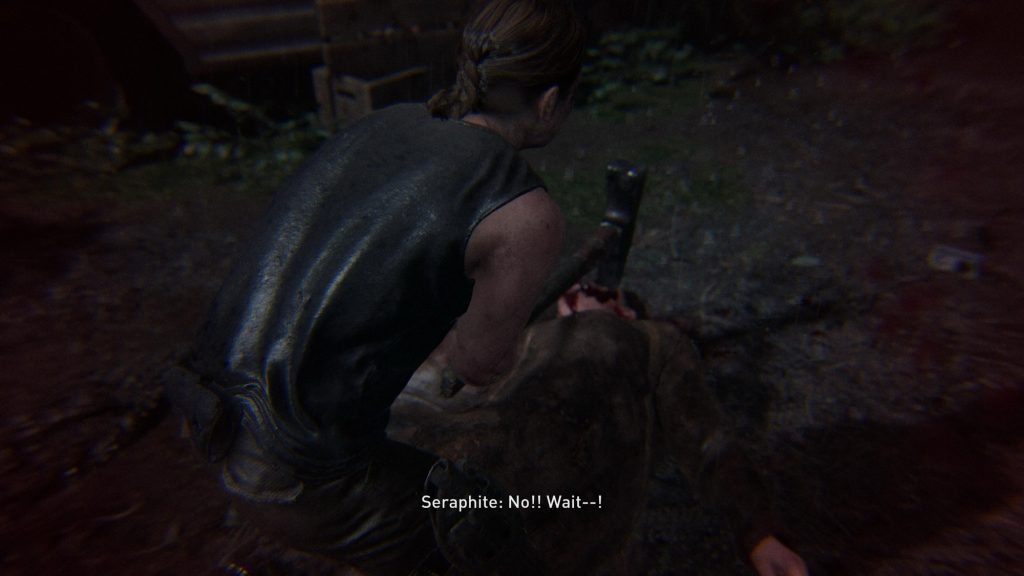
Combat is fun and tight. Most fights use the same formula: sneak around snapping necks, throw a few bombs, get spotted, shoot everything, loot the carnage. It’s punchy. Most enemies go down in a few satisfying hits. The pattern doesn’t get stale as the levels are well crafted with lots of nooks and crannies and multiple routes for you to move through or be flanked by enemies. A neat feature is that the enemies in these fights have names and as you pick off the locals, their friends often shout out their names in anguish. I found myself abusing the Restart Checkpoint functionality at times which lowered the stakes of combat. I acknowledge this was a self-induced flaw, but on a future play though I recommend the Encounter Permadeath option to encourage seeing mishaps through to their end. When I did this, the highest tensions were felt and the game was better for it. Even if I had to lose a few more items…
Infected (they don’t call them the Z word for some reason) are relegated to more of a background threat and story-telling device in this game. They provide some variation in combat mechanics and work well to change the pacing up, but even the inhabitants of the game world treat them as more of a nuisance to be dealt with in between blood feuds than the existential threat they seemed in the first game. There were some odd thematic choices here at times (the giant super infected king for one), but I am willing to acknowledge them as decisions for gameplay’s sake and they work well for that. This is a game and I still had fun with them, so they get a pass.
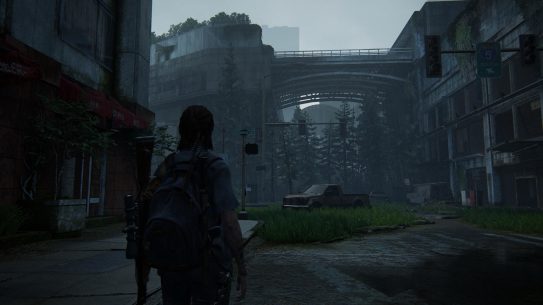
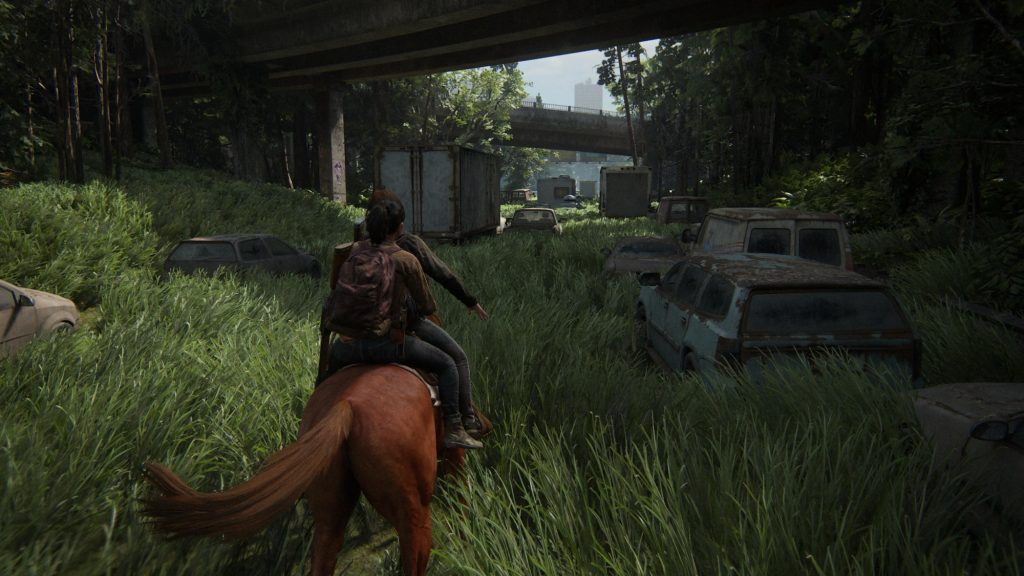
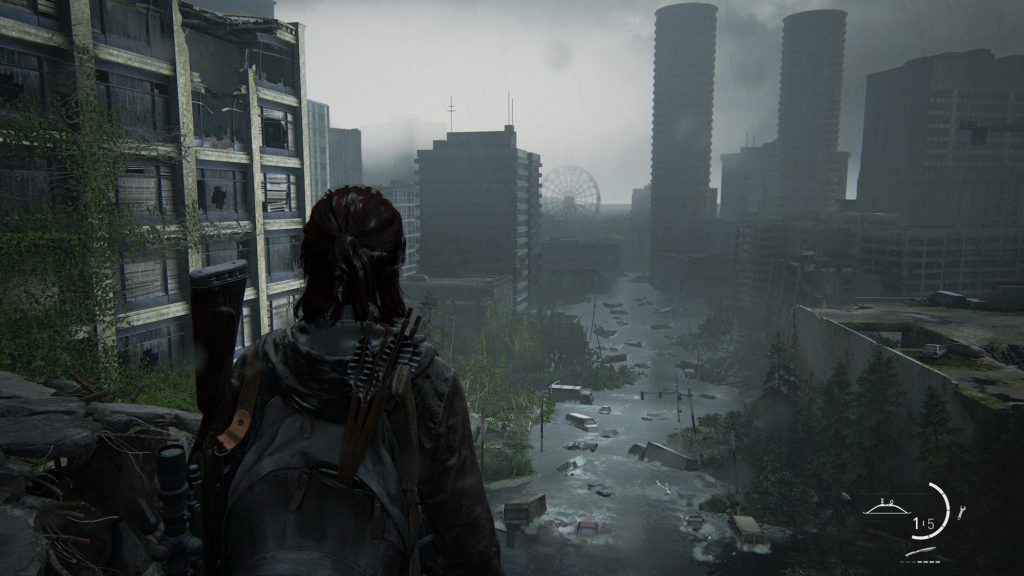
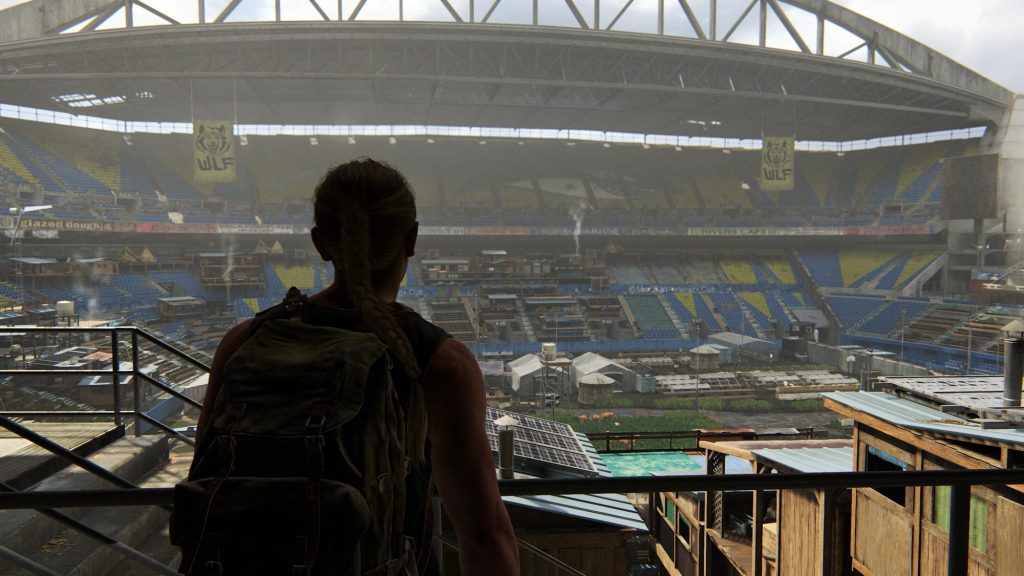
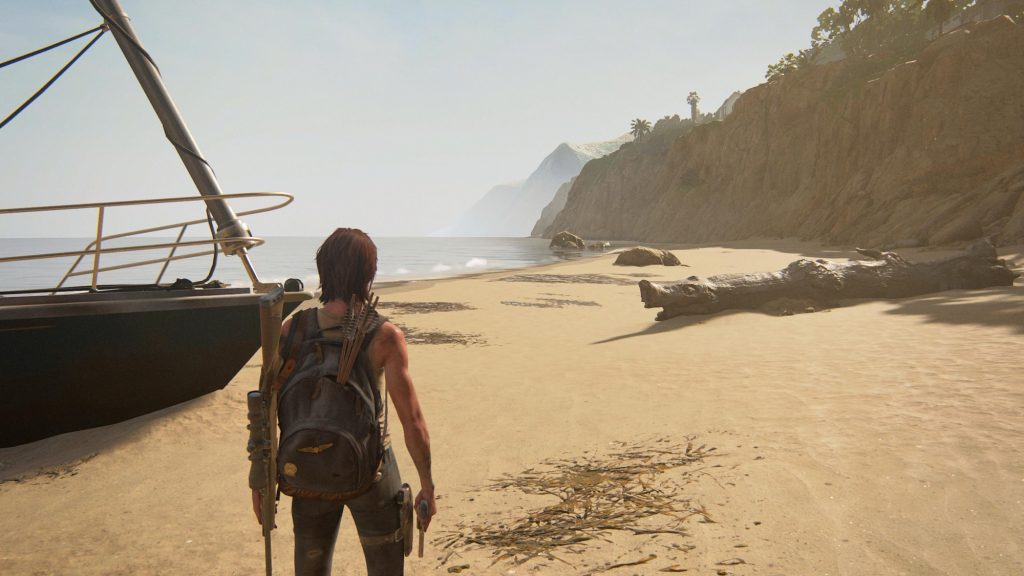
The game is beautifully realised. The graphics are great, but it’s the care taken that pushes it over the edge into something special. The cityscapes have an eerie amount of depth and the small spaces contain an abundance of unique, contextual storytelling. I’ve never been to Seattle, but Last of Us has captured what I imagine its essence is (although where is the Boeing factory!). Full of random abandoned coffeeshops with the Pacific Northwest rainforest slowly taking over.
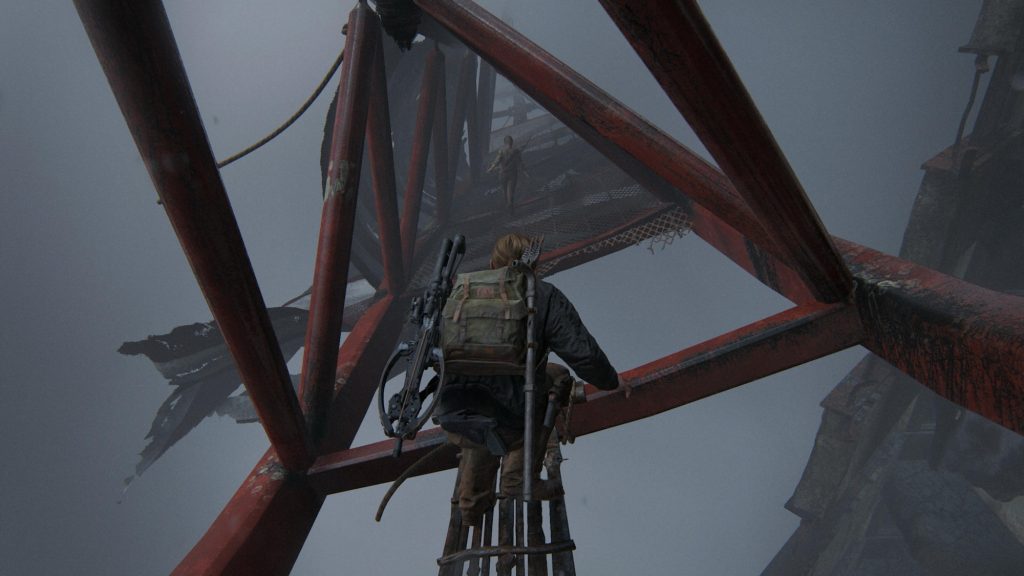
The levels are mostly linear, but with a bit of exploration encouraged. There are often a few houses you can explore as you move through a Seattle suburb or locked backrooms in the hardware store that require some puzzle solving to get in. These reward you with loot and often some more background in the form of everyone’s favourite expositional item, in-universe letters. The game never feels constraingly linear though. It organically nudges you in the right direction so you just go where you’re supposed. Very rarely do you hit a wall without actively looking for one.
Music has the same care taken as the graphics, just less immediately noticeable.
https://open.spotify.com/track/5zCKsNN7efXhN6Nlbf93EK?si=xgXnfwSrTcmSCPy7-jLvow&context=spotify%3Aalbum%3A0tNUmClLcWptIcnoCXpPUC – The guitar is the instrument of Last of Us. It forms a motif between Ellie and Joel and it features prominently in the music, giving the soundtrack a distinctive earthy, acoustic sound.
https://open.spotify.com/track/2wzKP6WazL3JCyKghdn1Sx?si=13LVKEqJQLmrphigRh9HAw&context=spotify%3Aalbum%3A0tNUmClLcWptIcnoCXpPUC – Emotional sounds that support the rhythm of the story, rather than drowning it out are the order of the day.
This is a game that manages to be consistently fun and enjoyable and tells a powerful story that is captivating told and uniquely experienced through this format. I finished it over three weekends and it didn’t feel like there was a slow or painful moment I just wanted to get through. It also has the rare merit of being a game that Caitlin is prepared to watch (except for looting, she hates looting…).
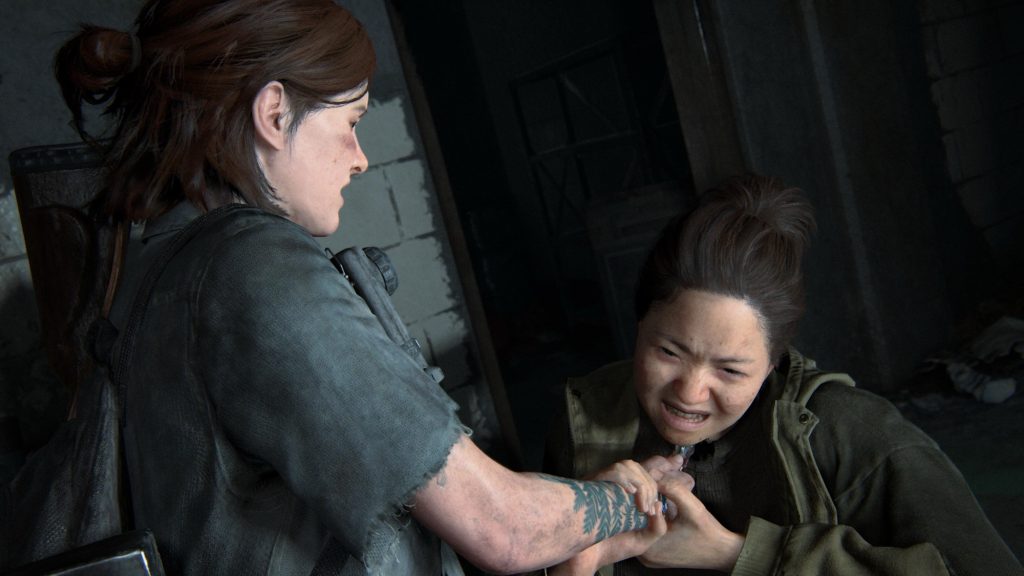
Rating: 7/7 homemade shivs stuck directly in the necks of people with beautiful and tragic backstories I didn’t know about until just after.


Leave a Reply