
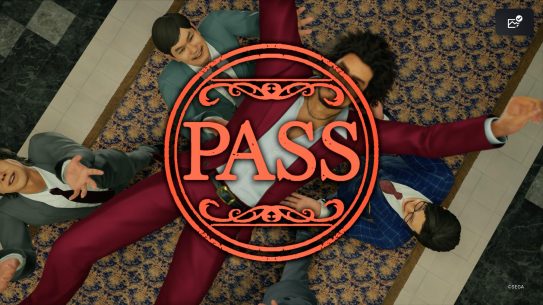
Who knew being a yakuza would be so dramatic. Like a Dragon is my first Yakuza game. I was intrigued by it after hearing stories about its deliciously quirky nature. The people were right on this, but that isn’t the full story…
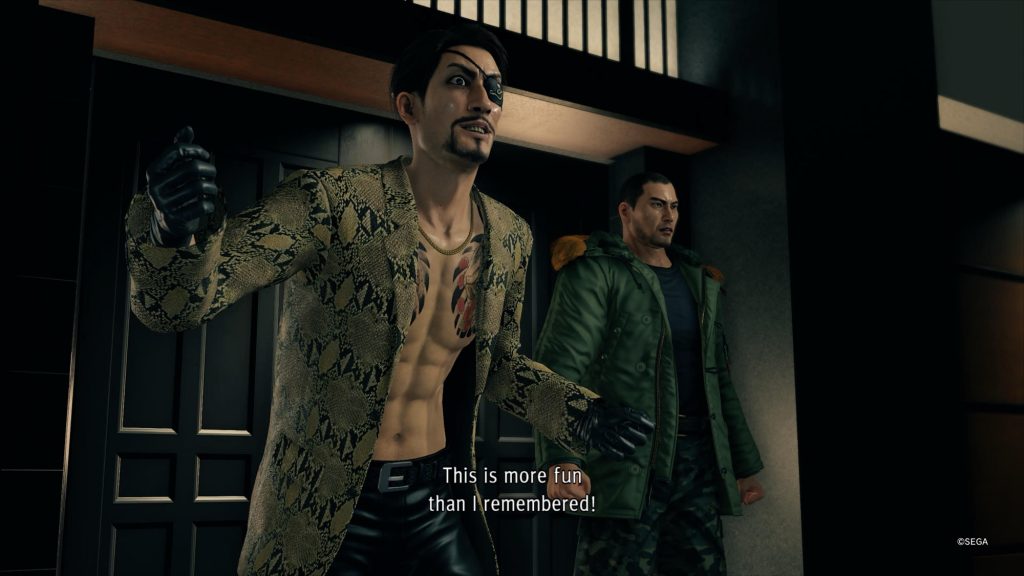
You play as Ichiban. A modern rapscallion who really just wants to hang with his buds. He’s an endearing character who is easy to like. The characters in the party you build up on the way aren’t as charming individually, but each is distinctive and an outcast in their own way. The combination of this gang works well, with each having foils against the others and well-intentioned banter running thick.
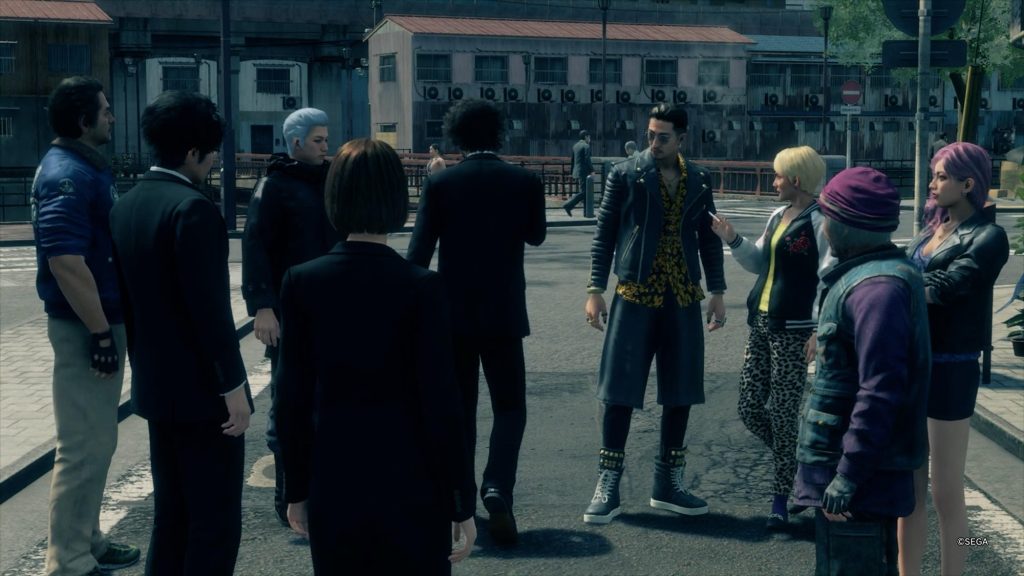
Like a Dragon is at its best when it lets the city tell the story. After the tutorial, Ichiban wakes up in a district of Yokohama and you discover it and its people alongside him. Nearly all of the games takes place in a few blocks of this modern Japanese city that is crammed full of delightful detail and alluring activities down every alley. It’s beautifully realised and makes me want to go and walk around a random Japanese city and just see the everyday differences.
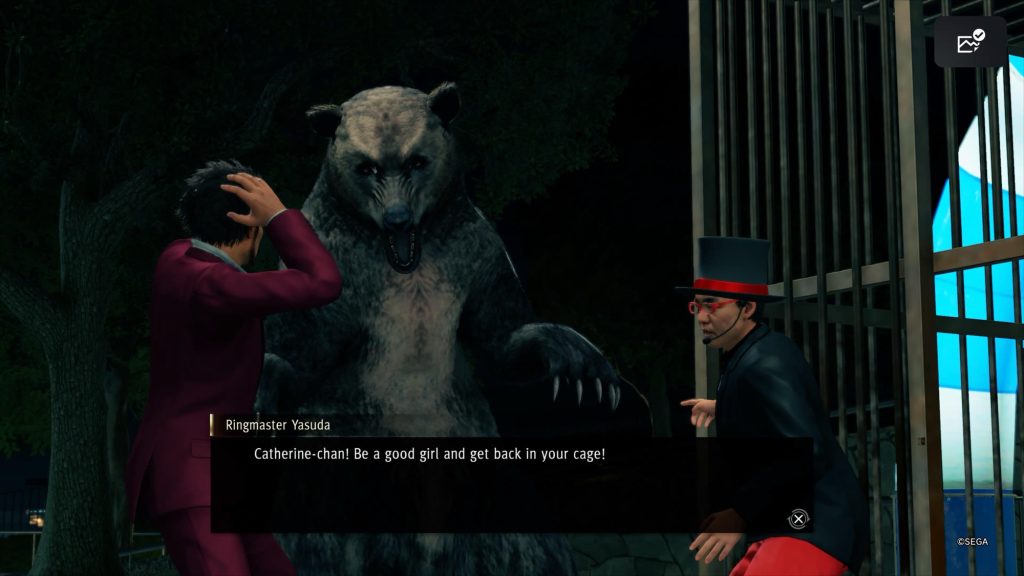
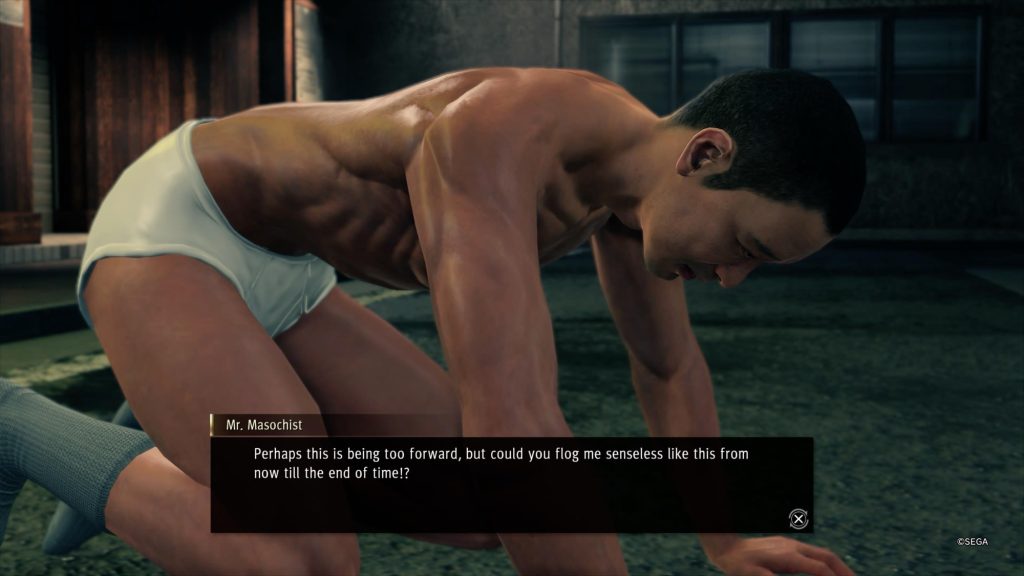
In particular, the random side quests from various citizens of Yokohama as you walk around are some of gaming’s finest. These are legitimately funny and manage to tell engaging stories in the equivalent of a few pages. They range from collecting cans in a violent competition against other homeless people, counting traffic for a census taker with a hand cramp and finding a runaway crayfish. These are fully self-contained and one of the best parts of the game.
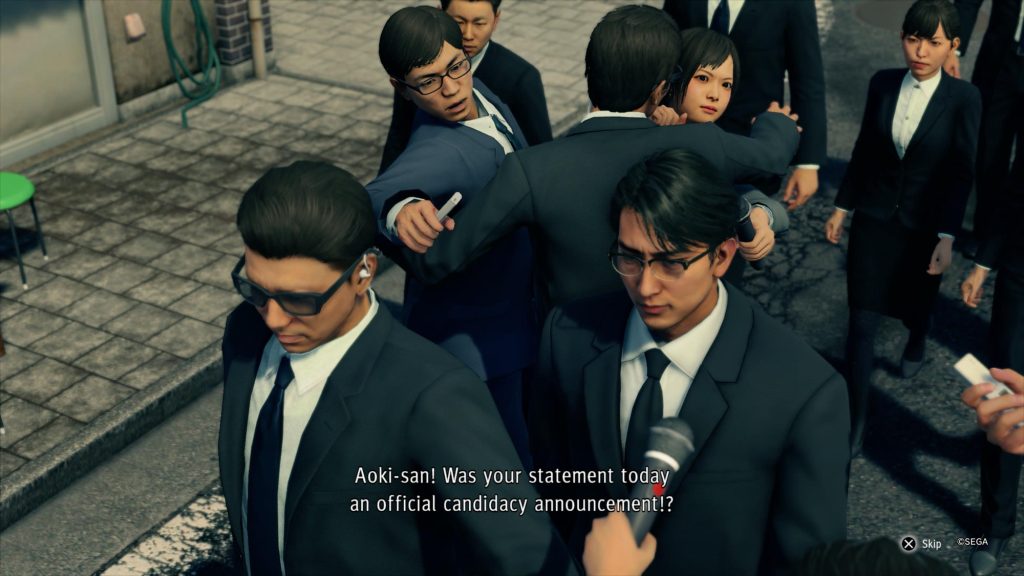
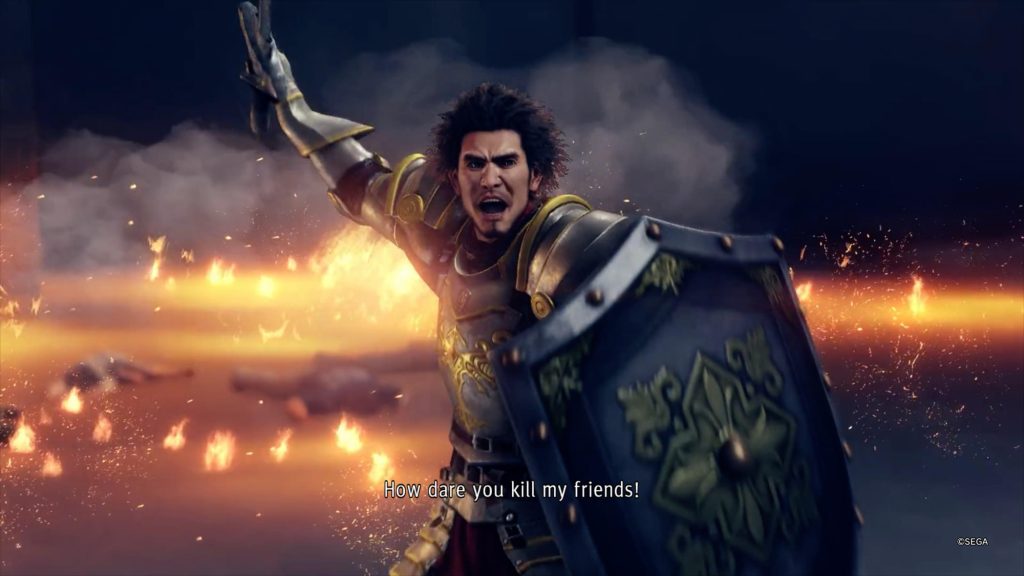
Unfortunately, about 2/3 into the game, they decide to stop using the city to tell the story and instead use mountains of expository dialogue. They kept throwing in new characters at this point. I feel like some of these were throwbacks to older games as there is an assumed camaraderie that just makes no sense sometimes. The x-button got a solid workout in this part as I tried to salvage whatever free time I could by skim reading dialogue.
There were some in-depth minigames (another time sink), but these were actually pretty good. There is a whole kart-racing game that is halfway towards Mario Kart. Gambling was too complicated though. I don’t know if the game assumed that I was already intricately familiar with half a dozen East Asian forms of super poker, but I gave it one shot and gave up. Looking back this was the right decision, the game had enough time sinks and I was struggling by the end.
Music is pretty generic. Lots of grating electronic in the boss battles (especially after 20 minutes of it on repeat), but mostly inoffensive otherwise with nothing that stood out. One standout is the song that plays around a specific sex shop where you buy themed weapons which seemed to be the best early game gear. You hear it so much in the background in this one area, it gets to be quite catchy and strongly associated with a time and place as you are learning about this big new city.
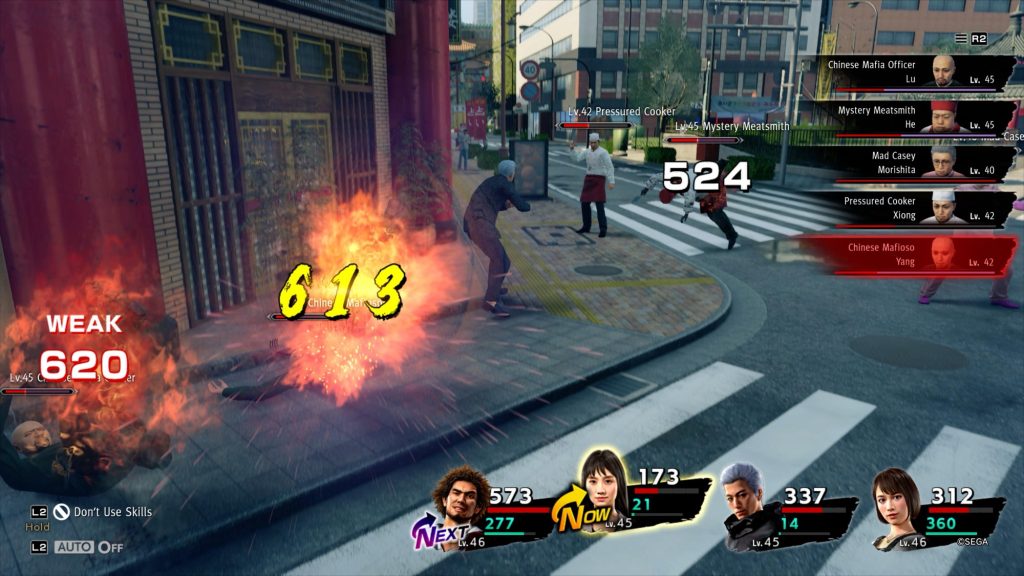
Combat is OK. It works best when it’s punchy and quick as fighting mobs can get repetitive. Dungeons (no saves allowed – yay!) are a bad example of this as you spend 30-60 mins walking around a completely featureless area fighting random enemies. That said, the enemy designs are great. Each is a very imaginative stereotype of people in the city taken to a comical extreme. However, the boss designs are awful. All are just jacked Japanese dudes with insane health bars that routinely take 20+ minutes to slowly whittle down. Zero skill required, just hit, heal, repeat.
Overall, I had higher hopes. It looked like it was going to meet them, but I was over it by the end. It felt almost like two games that had been stitched together somewhat. Out of the ending 30 minutes of cutscenes, I think there was 1 minute that I engaged with. A solid throwback to an earlier emotional scene with a twist that worked well, but lost in the sea of dialogue without interest.
Rating: 4/7 – a great middle third that was let down by a drawn out tail and a lack of detail about how specifically soaplands work


Leave a Reply